 Viral Post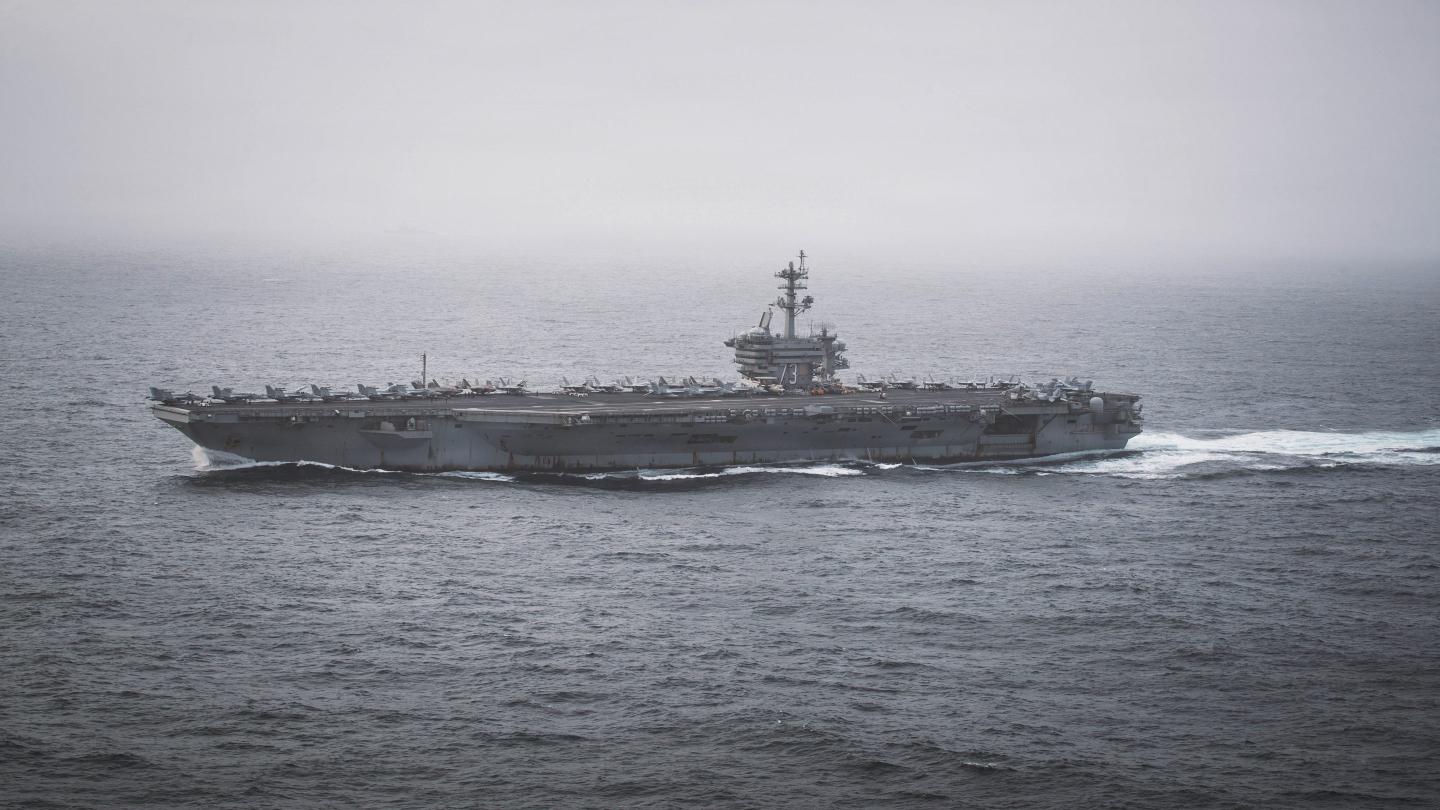
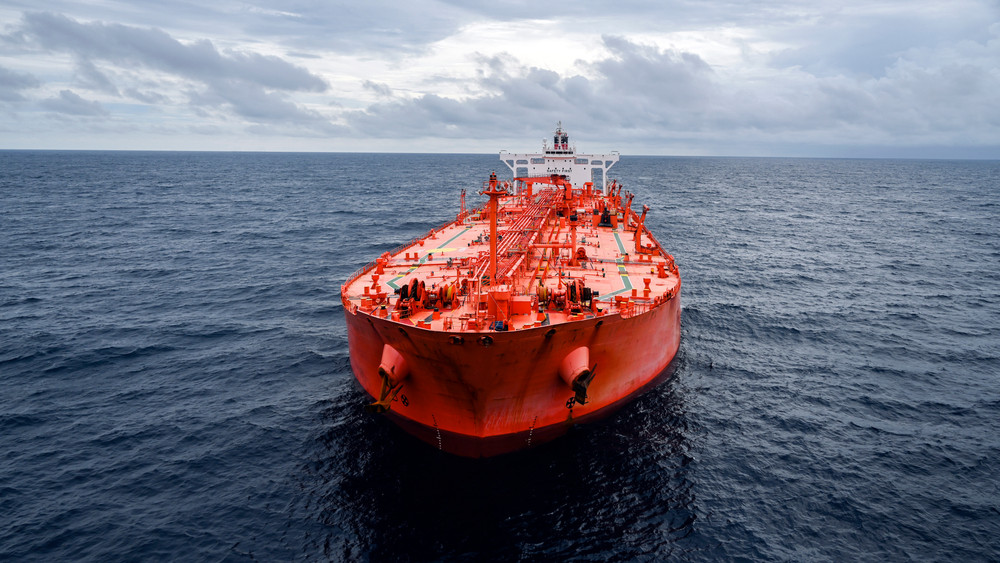
President Donald Trump has downplayed his war on Iran as ‘small potatoes,’ but those potatoes are getting bigger as both sides escalate beyond their stalemate in the Strait of Hormuz. For months, Iran’s military has targeted Navy warships and U.S. bases around the Persian Gulf, preventing full reopening of the strait. On recent attacks, Iran launched missiles at a U.S. aircraft carrier and destroyer, prompting U.S. retaliation by striking three Iranian oil tankers linked to the Islamic Revolutionary Guard Corps (IRGC). Admiral Brad Cooper warned that further economic pressure would be imposed, stating, ‘If you shoot at two of our ships, we will impose an even higher economic cost—taking out three of yours.’
Hamidreza Azizi, senior Iran analyst at the International Crisis Group, notes this marks a new escalation phase. Previously, Iran focused on tankers and commercial shipping in the Strait of Hormuz, but direct attacks on U.S. warships now cross a higher threshold. While the latest strike failed, Azizi warns that a successful attack could rapidly escalate the conflict, potentially leading to U.S. casualties.
A Financial Times report reveals Russia is secretly aiding Iran in developing supersonic cruise missiles with ramjet propulsion, forcing U.S. Navy ships to retreat further from Iranian territory. This could disrupt Iran’s economic chokehold. Meanwhile, the U.S. naval blockade remains effective, with Iran admitting dire economic conditions and suggesting time is running out. The Treasury Department plans wider sanctions targeting countries facilitating Iran’s illicit oil trade and financial transactions. Azizi cautions that increased economic pressure may not deter Iran, especially if it perceives the squeeze as existential, potentially prompting riskier actions.
Source: Fortune