 Viral Post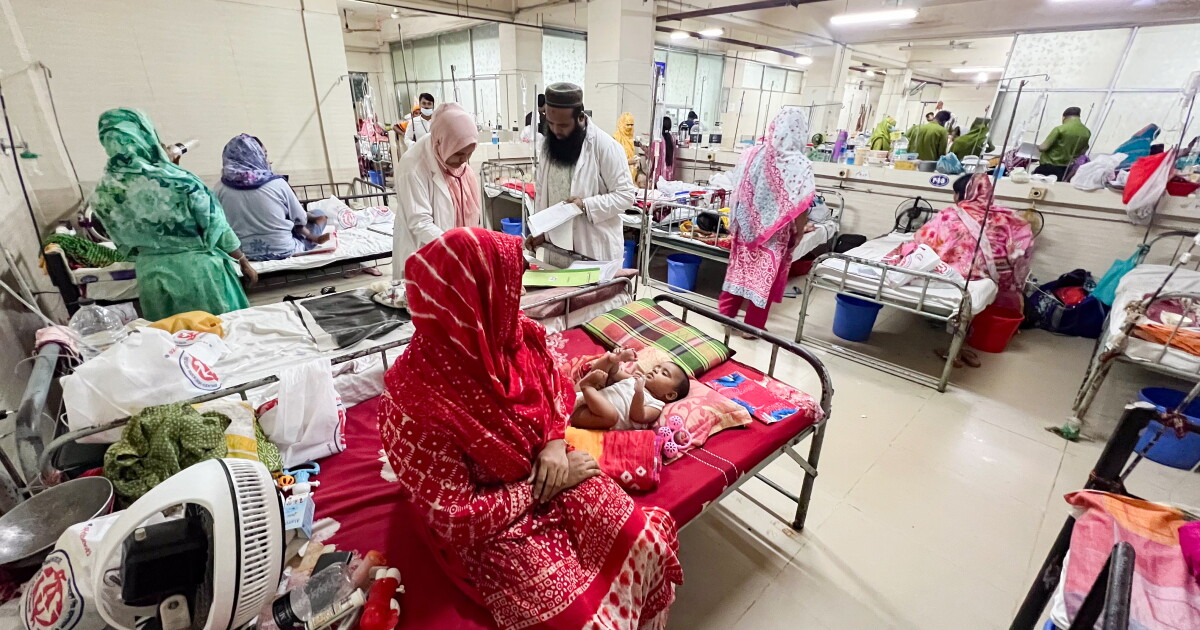
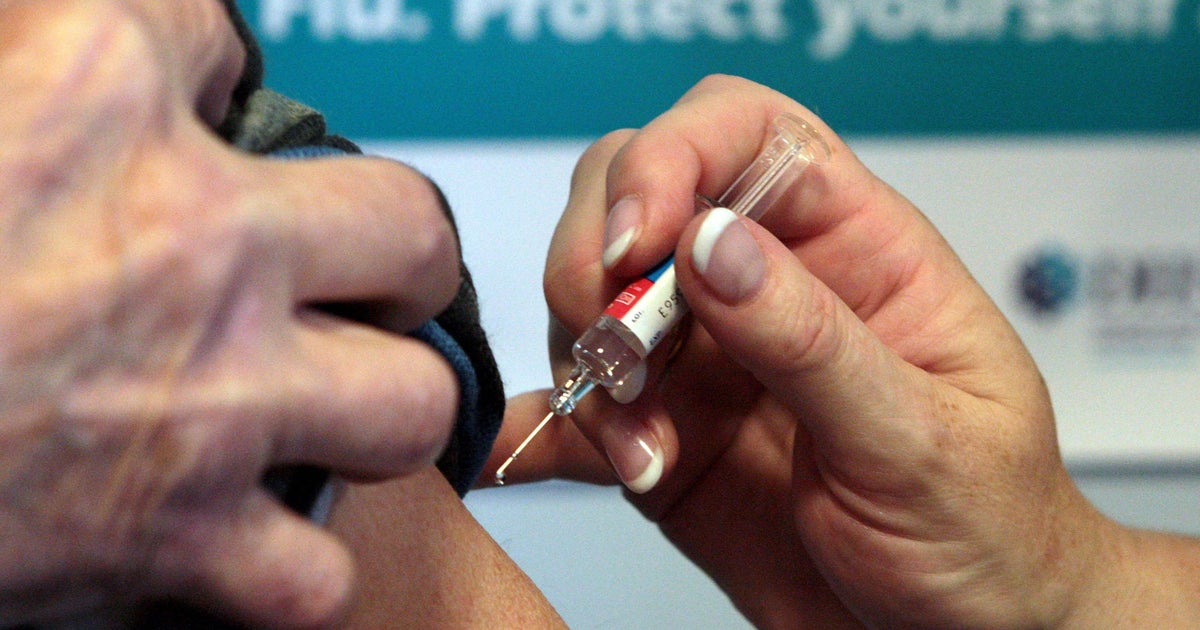
In May, a story about the rapid and devastating spread of measles in Bangladesh was published, highlighting over 500 child deaths in an outbreak largely ignored globally. Early optimism arose from a health minister’s claim that measles cases had decreased and a nationwide vaccination campaign targeting 18 million children aged 6 months to 5 years was underway, aiming to vaccinate even those previously recorded as vaccinated. The campaign successfully vaccinated 18.4 million children, but experts now estimate the true target should be 22.6 million due to persistent unvaccinated populations.
By August, Bangladesh reported the highest number of measles cases globally (57,561 from January to June), with 1,162 suspected and 94 confirmed cases recorded in a single day. As of September 9, over 1,000 children had died from suspected or confirmed measles since March 15. The virus’s high transmissibility—one case can infect 100 others—has been exacerbated by widespread malnutrition, which weakens immunity and worsens outcomes for affected children. Vaccination gaps and malnutrition have driven the outbreak’s persistence.
To address the crisis, Bangladesh launched a second vaccination drive on August 18, targeting 1.6 million children, while securing an additional 2.5 million doses. Experts warn that even doubling vaccination efforts would take two to three more months to control the outbreak fully. Economic strain on families is severe: nearly 90% of affected households have borrowed money for treatment, and 60% have exhausted savings. Low-income families face additional hardship from lost wages due to caregiving responsibilities.
The toll on families is profound. Toriqul Islam, whose 10-month-old boy died from measles, expressed despair: 'When fate turns against you, this is what happens. I don't know if there is any greater pain in this world.' The outbreak underscores the need for sustained vaccination efforts and support for vulnerable communities.
Source: Ocean State Media