 Viral Post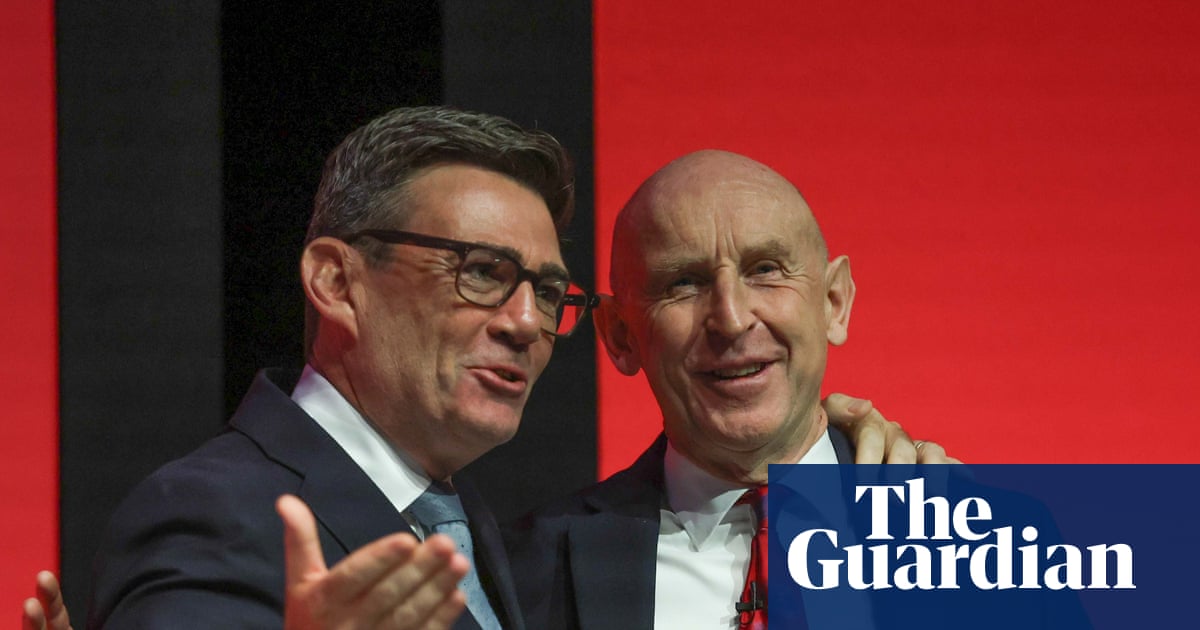
A year ago Andy Burnham had a tough business reception at Labour’s party conference. The then mayor of Greater Manchester, with clear ambitions to replace Keir Starmer, had rattled the City of London with his comment that Britain should be less “in hock” to bond markets . Returning to the annual gathering in Liverpool a year later as prime minister, the mood is different.
Labour is pushing to repair relations with corporate Britain and reassure City bond traders against a jittery backdrop amid the Middle East war. At a private reception on Monday night hosted by the Confederation of British Industry (CBI), HSBC and National Grid, John Healey told executives the government would do “our bit” to support firms struggling with rising costs. The chancellor said his budget next month would also have fiscal discipline at its core.
“I very much welcome the chance as chancellor to work with you,” he said. Over bottled beer and glasses of wine overlooking the River Mersey, one executive praised the chancellor: “Can I just say, bloody wonderful speech of yours at conference today. Really determined to achieve success; it went down very well.” For most bosses, however, there is a caveat: the 28 October budget.
Labour gained a reputation after its return to government in 2024 for love-bombing bosses before then raising taxes on firms. “Ask us on 29 October [how business feels]” said the CBI chief executive, Rain Newton-Smith. Rain Newton-Smith, the CBI chief executive, said Labour faced difficult decisions at the budget.
Photograph: Christian Sinibaldi/The Guardian She said that while Burnham appeared to be in listening mode, Labour faced difficult decisions at next month’s budget. “When you get a change [of administration], you’re sort of changing mid-flight, and that allows you to think what was working, what wasn’t. Without denigrating the previous [administration], they’ve sort of said, ‘“Look, we need to get change, but also, how can we be responsive?’” In previous years there had been a clamour among businesses to attend Labour’s annual conference – held for three years running in Liverpool – to the point it was jokingly dubbed the “Davos on the Mersey”, referring to the annual gathering of the global elite in the Swiss ski resort.
Starmer had run a strategy before his landslide election victory to win corporate endorsements to burnish Labour’s credentials in City boardrooms. But within his first months in office relations had soured, after Rachel Reeves sprung £40bn of tax increases – centred squarely on employers – in her first budget. This year, delegates said there appeared to be fewer top bosses at Labour’s “business day”, where executives paid £6,000 a ticket to attend an exclusive breakfast reception hosted by the business secretary, Jonathan Reynolds, followed by a “fireside chat” with Burnham.
However, corporate Britain was still evident en masse, with companies including Mastercard, HSBC and Heathrow among those paying thousands to sponsor fringe sessions and private networking events. After smaller sessions focusing on policy, executives were ushered into the main auditorium to hear the chancellor’s speech, including Paul Thwaite, the chief executive of NatWest, and the bosses of the “B5” group of leading business trade bodies. The chancellor, John Healey, acknowledged that private enterprise was vital for helping the UK economy to grow.
Photograph: Zeynep Demir Aslim/ZUMA Press Wire/Shutterstock In the auditorium the chancellor gave little away about the budget, despite striking a markedly different tone to Burnham’s “in hock” comment from a year earlier – insisting that he and the prime minister were “in lockstep” in their commitment to balance the books. “There is nothing progressive about losing control because it’s always working people who pay for it,” he said. skip past newsletter promotion after newsletter promotion Shevaun Haviland, the director general of the British Chambers of Commerce, said Healey’s speech was “significant” because the chancellor had acknowledged that private enterprise was vital for helping the UK economy to grow. However, she warned that companies still faced severe headwinds.
“[The government’s] strategy is unlikely to succeed while the everyday cost of doing business is still soaring. Firms are being asked to invest while facing a tsunami of rising costs from employment, energy and business rates,” she said. Lobbyists said there appeared to have been a concerted effort to ensure senior ministers spent time with business leaders and to match them more directly with the relevant sector.
One external affairs chief at a FTSE 250 retailer noted a marked shift in willingness to listen to business concerns, highlighting the work of the prime minister’s special adviser for business relations, James Carroll. Varun Chandra, who had been Starmer’s chief business investment and trade adviser and who stayed on under Burnham, was also orchestrating meetings at the private CBI reception on Monday night. The business secretary, Jonathan Reynolds, helped project the renewed sense of optimism.
Photograph: Zeynep Demir Aslim/ZUMA Press Wire/Shutterstock One minister said the business leaders they had met in Liverpool welcomed the renewed sense of optimism projected by the new government – in contrast to what some saw as Starmer’s downbeat attitude. Businesses have welcomed individual initiatives, such as Burnham’s tax cut for pubs and clubs; but are yet to understand what “Manchesterism” might mean if applied UK-wide – and remain concerned about the possibility of tax rises in next month’s budget. Steve Rigby, the chief executive of the family-owned property and technology company Rigby Group, said Labour’s approach to business had improved from two years ago, but he was reserving judgment until the budget in a month.
“The PM and Jonathan Reynolds are visible and engaged, whether they are listening to our concerns will become clear in the budget,” he said. “You can buy tickets to get into the right rooms, where proper access [to the politicians] is possible – but you have to work hard to get it. “Really we are in a holding pattern until the budget.
The signs are good – we like the boring, no-leaks approach from Healey [so far]. However, businesses have absorbed about as many tax rises as they can, which is what the main focus will be over the next month.”
Source: The Guardian