 Viral Post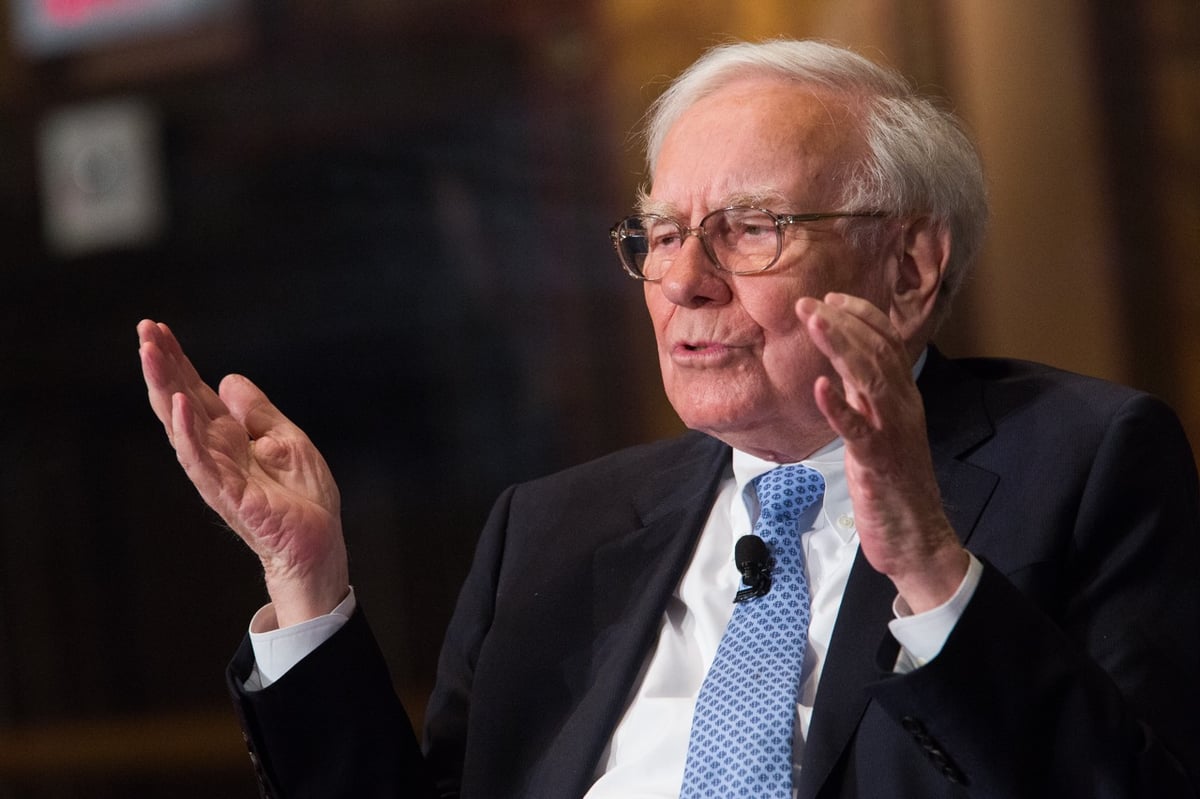
2026 has already been a record-breaking year for IPOs. Through September, companies have raised $147.5 billion by taking their stocks public, more than in any other year in history. The majority of that came from Space Exploration Technologies ( SPCX +7.36% ) , which raised $86 billion with its IPO in June, but there have been 111 other successful IPOs so far this year.
Many expect the Anthropic IPO to add another $100 billion to the record in November. To be sure, there's a lot of capital to be had in the public market. However, not every company is finding success.
Oura had been one of the most anticipated IPO stocks of September, but management suddenly suspended its offering the morning it was set to debut. While it cited an uncertain IPO market, the real reason for the about-face reminds me of Warren Buffett's stance on IPOs. Image source: Getty Images.
Why Oura didn't ring the bell on its IPO While management cited a challenging market as the reason for suspending Oura's IPO, Bill Alpert and Jack Denton at Barron's say a more plausible explanation for Oura's change of plans was that it priced the stock too aggressively. Oura had aimed for $42 per share at the midpoint of its IPO range, with the goal of raising over $2 billion at a $13.5 billion valuation. That's over 9 times its trailing 12-month sales.
That pricing attracted a lot of sellers, with 73% of the 50 million shares set to hit the public exchange offered by existing shareholders. That includes the planned sale of 230,000 shares by CEO Thomas Hale, worth about $9.7 million. As Alpert and Denton wrote, "Why would new investors pay a steep price to go in a door where they see so many exiting?" That challenge isn't unique to Oura.
It's important to remember that IPO underwriters are incentivized to secure the highest possible price for the companies they work with while ensuring the successful placement of all the shares they're offering. That often results in trying to time IPOs for periods of market exuberance, when investors are more willing to accept high prices. It's a careful balancing act, but one that favors the IPO companies selling the stock.
That's the main reason why Warren Buffett warned against IPOs when he was CEO of Berkshire Hathaway ( BRKA +0.41% ) ( BRKB +0.43% ) . 1,000 other things you could buy instead of an IPO It's important to remember that when you're buying a stock, there's someone on the other end of the trade selling it. When a seller controls the market, as in an IPO, the buyer is at a major disadvantage. Buffett said, "The idea of saying the best place in the world I could put my money is something where all the selling incentives are there ... that that's going to be better than 1,000 other things I could buy where there is no similar enthusiasm ... just doesn't make sense." History sides with Buffett.
Buying an IPO when it debuts typically leads to underperformance over the next few years. Despite initial pops in share prices, the average three-year return for IPO stocks between 1980 and 2023 (excluding the dot-com bubble) trailed the market by 1.6%. If you buy one that obviously caters to early investors and insiders, the odds of outpacing the market are far worse.
That's not to say investing in an IPO never works out, but the odds are against you. Only 44% of IPOs had positive returns from their offer price after three years, and only 43% produce positive returns after five years. Anyone considering investing in an IPO needs to consider who they're buying shares from, how the funds will be used to grow the business, and whether the business can achieve the necessary return on capital to justify investing at the price offered by the sellers.
It's very rare that everything aligns to make an IPO a great investment opportunity relative to everything else available to buy in the stock market.
Source: The Motley Fool